
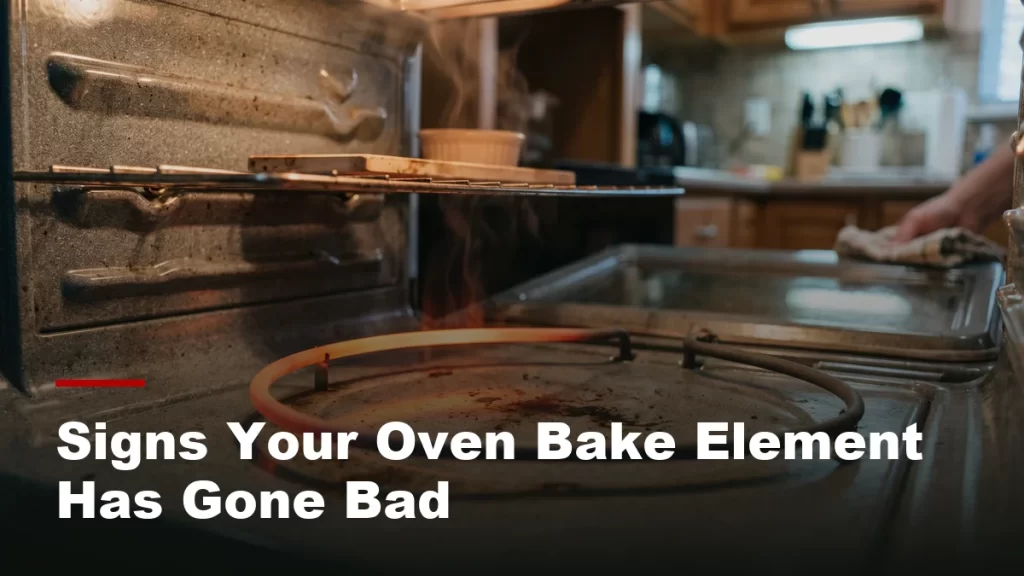
When food comes out raw in the middle or scorched on top on a setting that has always worked, your heating component may be failing. Understanding the clear signs that an oven bake element is bad allows you to catch heating issues before your unit stops functioning completely. Most homeowners do not notice a deteriorating element until a critical meal is ruined, which is why recognizing failure early is so essential before scheduling professional oven repair service.
The bake element sits at the bottom of the oven cavity and provides primary heat every time you bake or roast. Because it undergoes severe thermal expansion and contraction, it experiences heavy wear over time. Recognizing these symptoms helps you protect your appliance and keep your cooking predictable.
Signs Your Oven Bake Element Is Bad
These primary indicators signal that your heating coil is failing or completely broken. While one symptom on its own may occasionally stem from a thermostat fault, encountering multiple physical or thermal signs strongly indicates a defective coil.
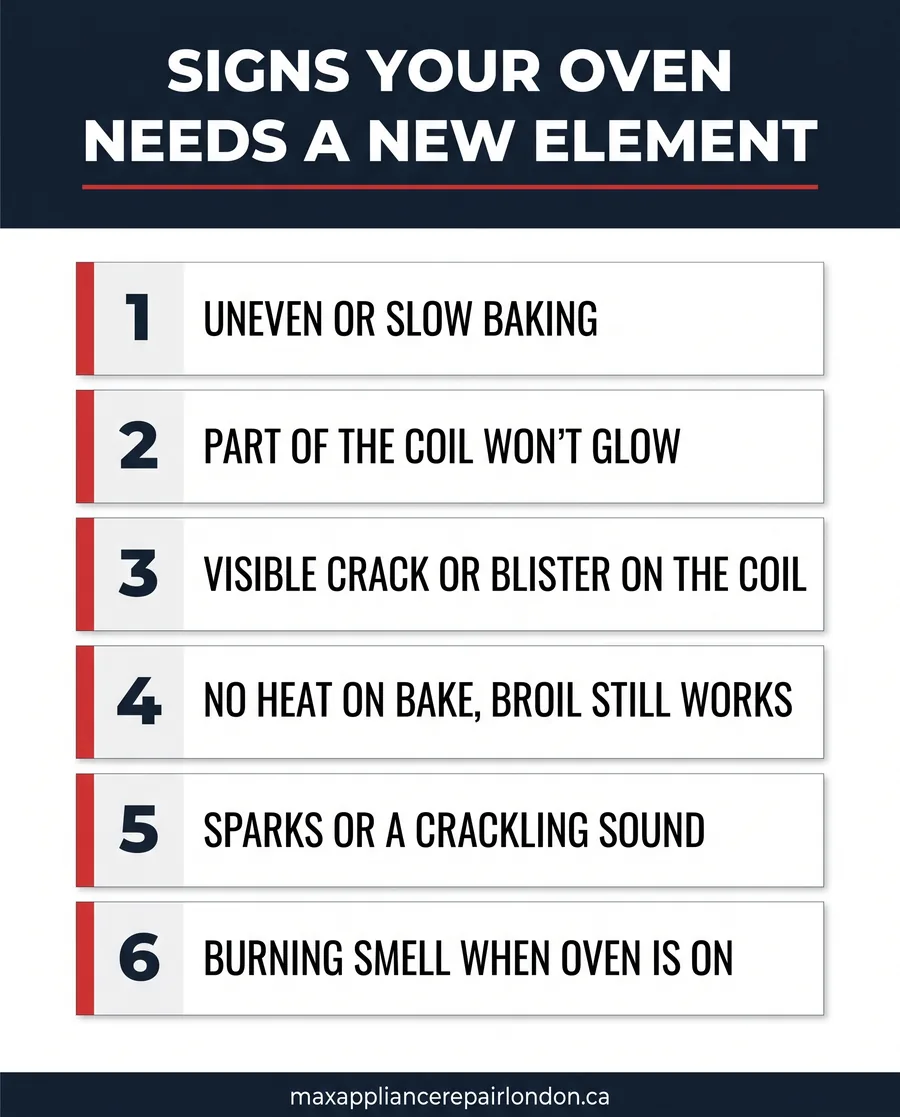
- Food bakes unevenly, browning on one side while remaining pale or cold on the other.
- The oven takes significantly longer to preheat or fails to reach the set temperature.
- The coil exhibits dark spots or sections that remain dull while other parts glow bright orange.
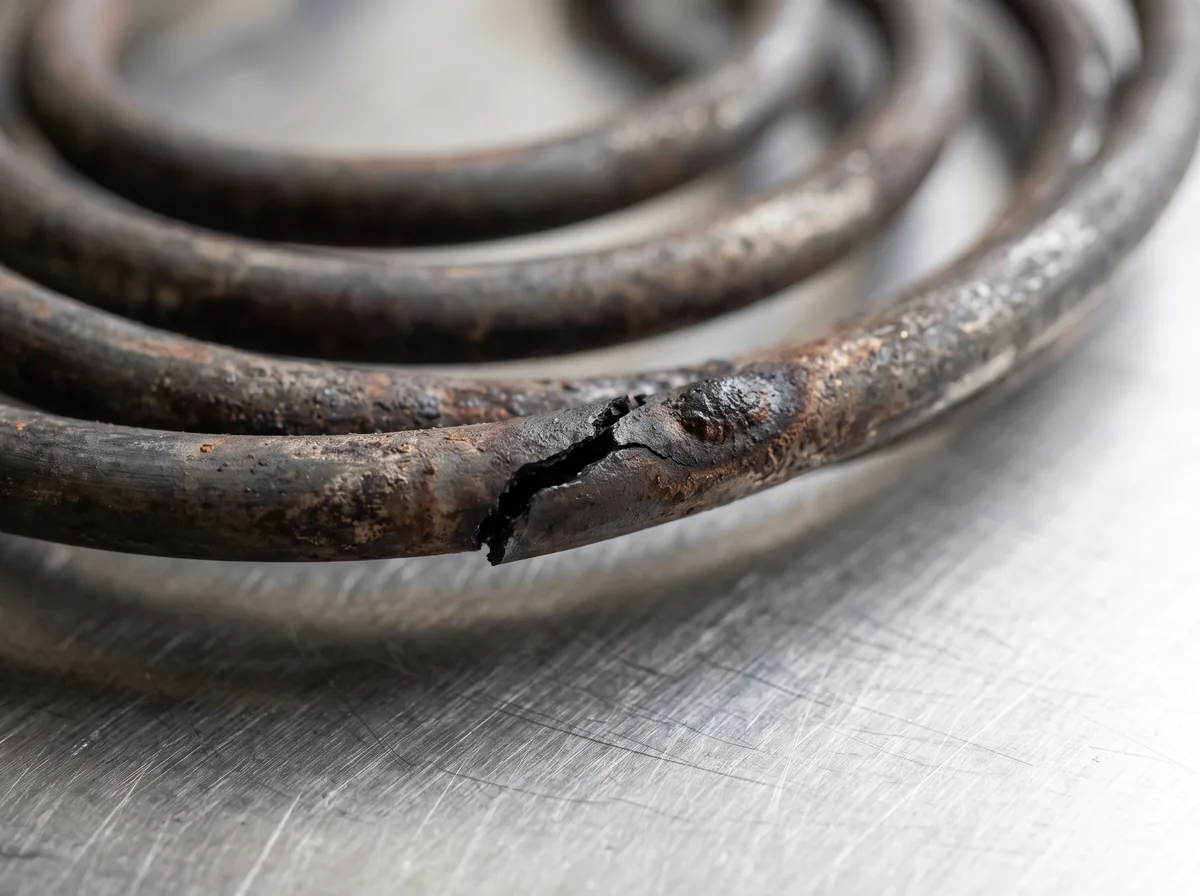
- A visible crack, blister, or physical break has developed along the heating tube.
- The bake function produces zero heat, while the top broil element continues to function normally.
- Sparks, popping sounds, or a sharp burning smell occur when activating the bake cycle.
Red Flag
Sparks, crackling noises, or strong burning odors are critical electrical hazards. Immediately turn off the oven, shut off the feeding circuit breaker, and refrain from using the unit until a trained technician completes an inspection.
Why the Element Fails
An oven bake element consists of an internal electric resistance wire encased within an outer metal sheath. Frequent heating and cooling cause this sheath to continually expand and contract. Over years of thermal stress, structural weak points form, leading to microscopic cracks, blisters, or complete burn-throughs.
When the sheath breaks, it disrupts the electrical path. An open circuit stops electricity entirely, preventing the element from producing heat. Alternatively, if the inner resistance wire contacts the grounded metal cavity, electrical arcing occurs, producing visible sparks and immediate failure.
Why Call a Professional?
Oven heating elements operate on 240-volt electrical circuits, carrying severe risk if mishandled. Verifying a faulty component requires performing a continuity test with a multimeter at the terminal leads. Working with high-voltage internal wiring requires specialized safety precautions and equipment.
You can safely perform a visual check when the oven is turned off and completely cool. Look along the length of the coil for physical cracks, blistering, or corrosion. Internal electrical testing and mechanical replacement should always be handled by certified professionals.
Pro Tip
Before scheduling service, record whether the broil function still operates, whether any section of the bake coil glows unevenly, and when heating issues began. For official standards regarding home electrical safety, review guidelines from the Electrical Safety Authority.
What Replacement Involves
A certified technician conducts a visual inspection and tests for electrical continuity across the terminals after safely disconnecting the power supply. Because heating coils vary by size, shape, and wattage rating according to the specific manufacturer, replacement parts must be exact matches.
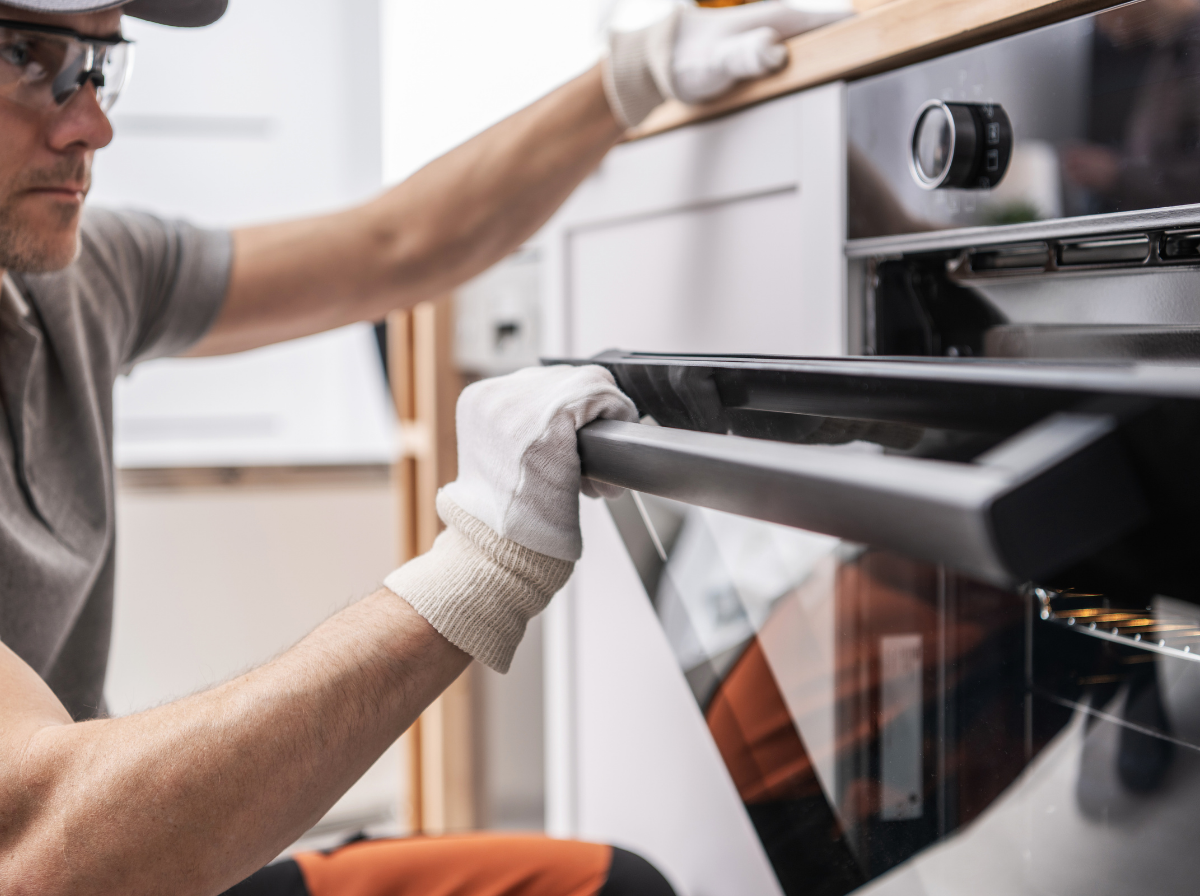
Whether your unit requires GE appliance repair or service for another major brand, matching the exact model number ensures proper fit and safe electrical operation.
Element Failure vs. Deeper Issues
While an element failure is typically an isolated repair, repeated failures or immediately tripped breakers can point to underlying issues like faulty wiring or control board failures.
If you notice the primary signs that an oven bake element is bad, assessing the overall mechanical condition of your oven helps determine if replacing the component is practical. Review our repair versus replacement guide for detailed advice on evaluating appliance service choices.
Good to know
This article provides general informational guidance on oven heating failures. Electrical diagnostics and component replacements should strictly be performed by licensed technicians. Max Appliance Repair London is not liable for injuries or damages resulting from unauthorized electrical work.
Download the Free Quick Guide
A printable checklist covering symptoms, safety steps, and questions to ask your service technician.
Frequently Asked Questions
How do I know if my oven bake element is bad without removing it? ▼
Common signs an oven bake element is bad include uneven food browning, an element that stays partially dim while operating, or a total loss of heat during the bake cycle. When the oven is off and completely cool, you can also inspect the coil for visible blisters, fractures, or charred spots.
Is it safe to continue using an oven with a damaged bake element? ▼
No. If you observe sparks, popping sounds, or electrical odors, disconnect power immediately. Using a compromised element increases the risk of electrical short circuits and further appliance damage.
Why does the broil element work if the bake element fails? ▼
Bake and broil are separately controlled heating components, but they may share the appliance’s power supply and electronic controls. A circuit failure in the bottom bake coil does not interrupt electrical flow to the top broil element.
Can I safely test or replace the bake element myself? ▼
Because bake elements connect directly to high-voltage 240-volt circuits, testing requires specialized equipment and safety procedures. Professional technicians ensure accurate diagnostics and correct replacement sizing.
How long does a professional bake element replacement take? ▼
Once the proper factory-matched component is on hand, a professional technician can complete testing and replacement within a single service call.
If you identify one or more symptoms, take the following steps:
- Turn off the appliance and disconnect the dedicated circuit breaker.
- Document key symptoms, such as uneven cooking, physical coil damage, or abnormal heating.
- Schedule a technician to perform diagnostics and install a manufacturer-approved replacement part.
If you notice key signs your oven bake element is bad, contact Max Appliance Repair London. Book a service appointment to restore reliable baking performance to your kitchen.
